
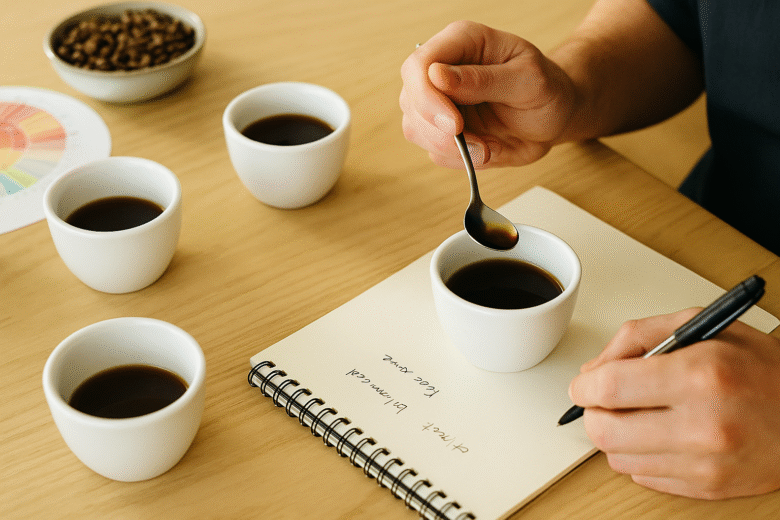
Tasting coffee is more than just sipping and swallowing. It’s an experience that engages your senses and your brain—an exploration of aroma, texture, and flavor that deepens your appreciation of what’s in your cup. If you’ve ever read tasting notes like “bergamot, brown sugar, and red apple” and thought, “I just taste coffee,” don’t worry. …
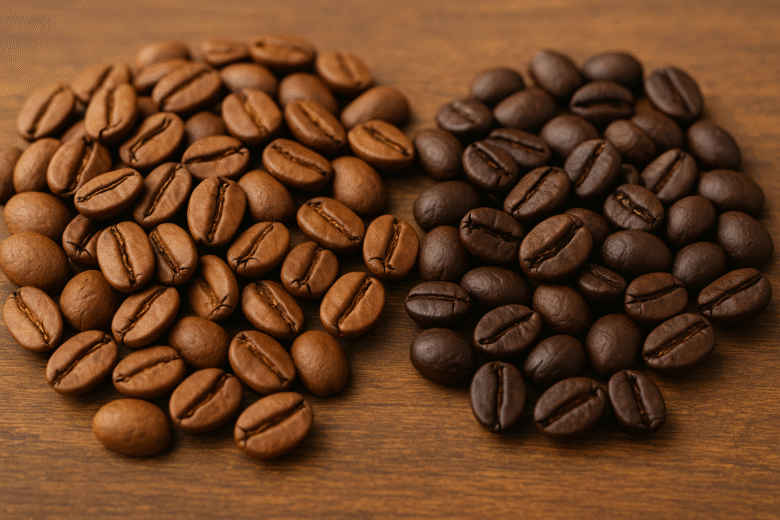
When it comes to coffee beans, two main species dominate the global market: Arabica and Robusta. While there are other lesser-known varieties, these two account for over 95% of the world’s coffee consumption. They differ not only in where they grow and how they’re cultivated, but also—most importantly—in how they taste. Understanding the differences in …
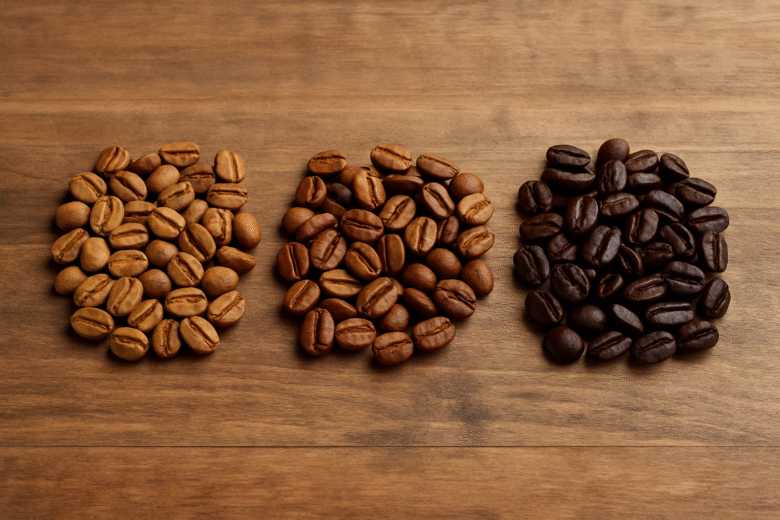
When you pick up a bag of coffee, one of the first things you’ll see is the roast level: light, medium, or dark. While many people choose based on habit or preference, understanding roast profiles opens up a world of flavor exploration. Roast level doesn’t just change the color of the bean—it transforms the flavor, …
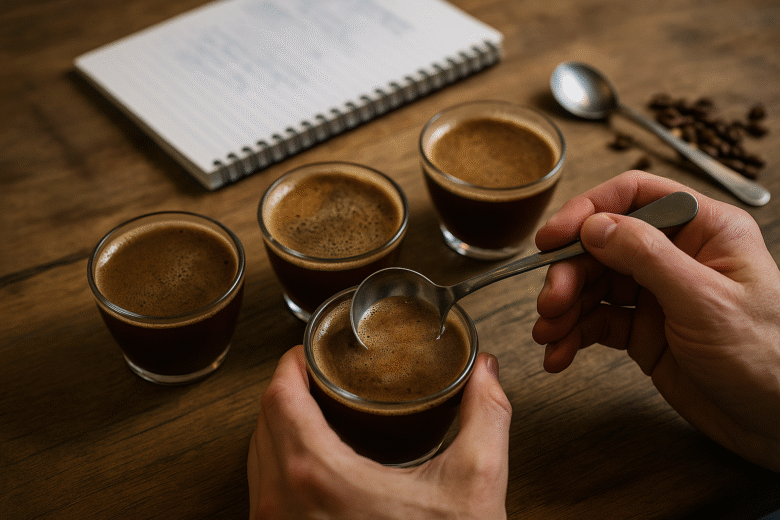
If you’ve ever watched a barista slurp coffee from a spoon at a café or roastery, you’ve witnessed a ritual called cupping—a standard method used to taste and evaluate coffee. Though it may look technical or intimidating, cupping is actually one of the most accessible ways to develop your coffee palate and better understand what …
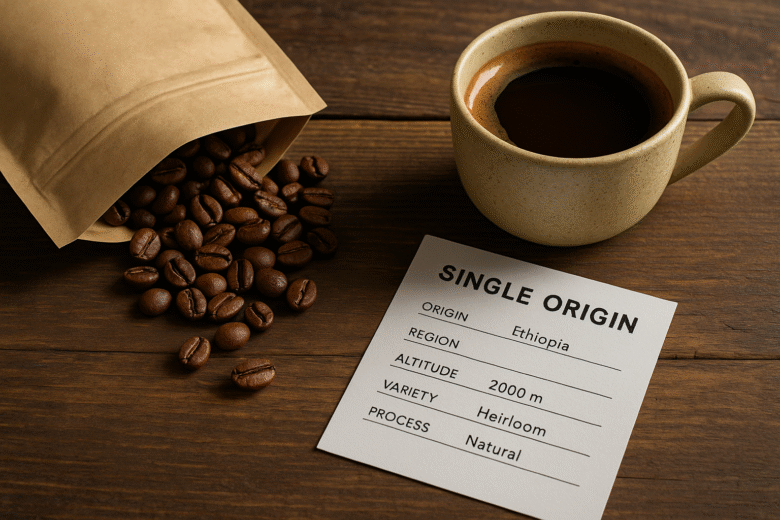
In recent years, the term “single-origin coffee” has become a badge of quality in cafés and specialty shops around the world. You’ll find it on coffee bags, café menus, and even in subscription boxes—often accompanied by specific regions, farms, or even altitudes. But what does single-origin really mean? And why is it considered such a …
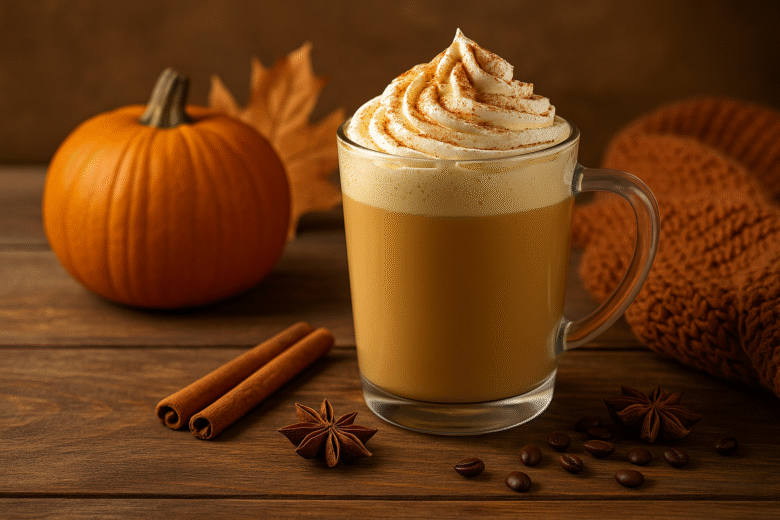
Just like fruits and vegetables, coffee is a seasonal crop. Depending on where it’s grown, coffee is harvested at specific times of the year, and those harvests influence the freshness, availability, and even the flavor profiles of the beans you drink. While some coffees are available year-round through blending or storage, the freshest and most …
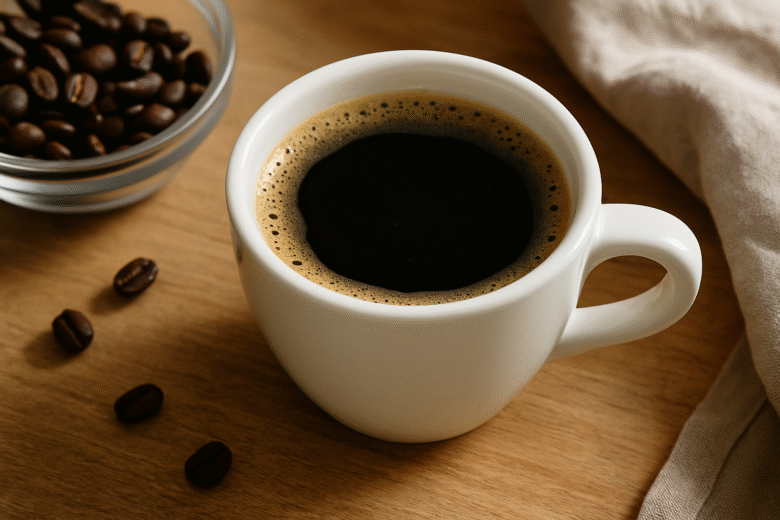
Coffee is one of the most widely consumed beverages in the world, and for many, it’s the first thing that touches their stomach each morning. Some people claim it helps them “get things moving,” while others avoid it for fear of acid reflux or stomach discomfort. So what’s the truth? Does coffee support digestion—or does …
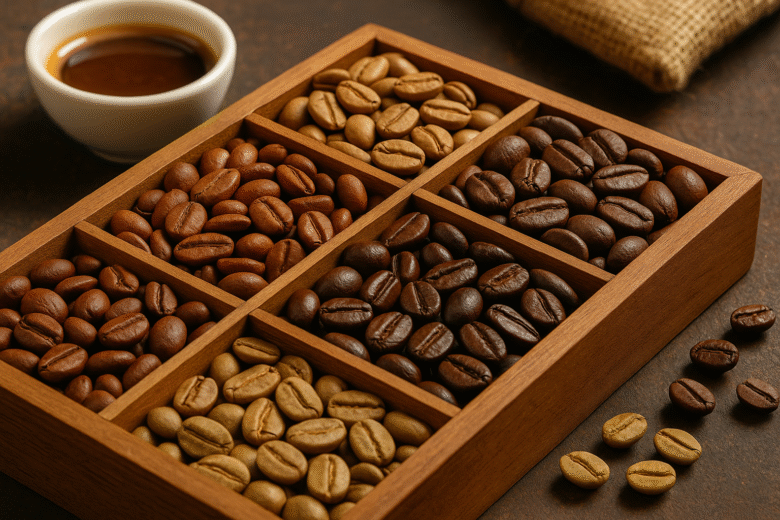
Coffee is one of the most diverse agricultural products on Earth. From fruity and floral to earthy and spicy, the flavors in your cup are shaped by a variety of factors—including the specific variety of the coffee plant itself. While most coffee drinkers are familiar with Arabica and Robusta as species, few realize that Arabica …
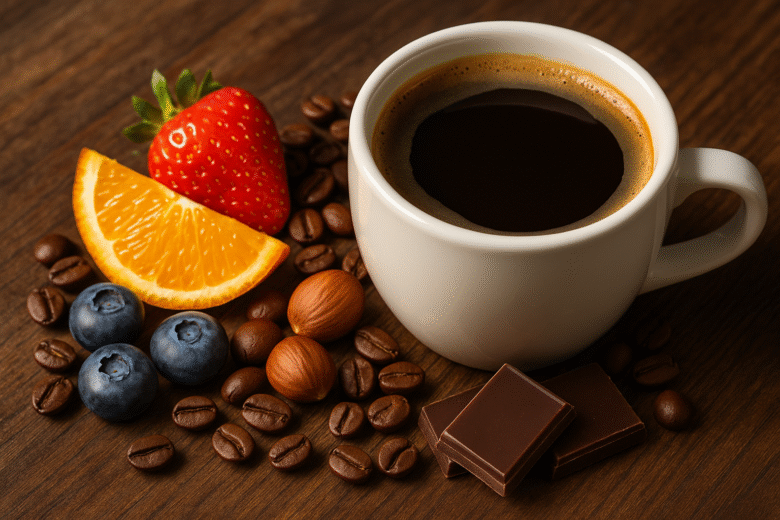
Have you ever read a coffee label that says something like “notes of blueberry, almond, and dark chocolate” and wondered if someone just made that up? Or maybe you’ve tasted a cup of coffee and noticed something unexpected—like a citrusy brightness or a cocoa-like finish. These subtle flavors are not artificial additives or flavorings. They …

When most people think about what makes coffee taste the way it does, they think of roast level, origin, or brewing style. But one of the most powerful influences on a coffee’s flavor is what happens before the beans are roasted—during the processing stage. Processing refers to the method used to remove the coffee cherry’s …