
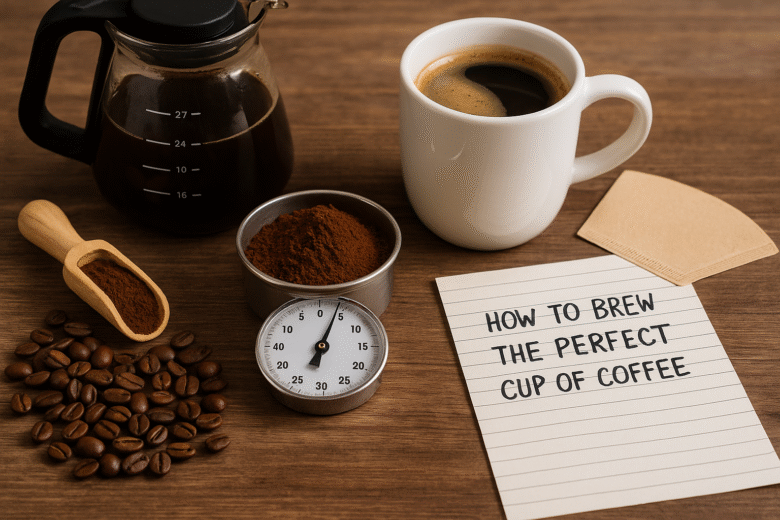
Brewing coffee at home can be both a daily ritual and a creative process. With the right techniques, even a beginner can prepare a cup that rivals the best cafés in town. From the grind size to water temperature, each step in the brewing process affects the final taste. Mastering these elements can completely transform …
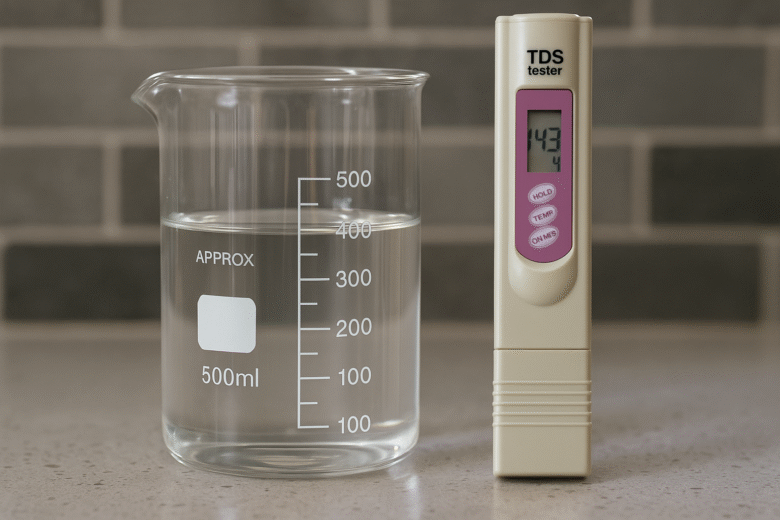
You’ve picked the perfect beans. You’ve dialed in the grind size. You’ve mastered the brewing method. But if your coffee still tastes flat, sour, or dull, the problem might be hiding in your water. Coffee is 98% water. That means the quality, composition, and temperature of your water dramatically affect the final flavor of every …
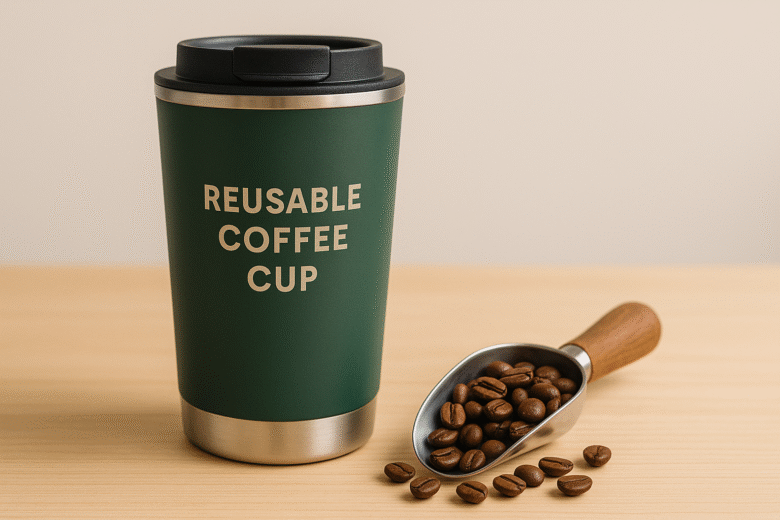
The AeroPress is one of the most innovative coffee brewing tools on the market. Compact, fast, and versatile, it has won over casual drinkers and coffee professionals alike. This device allows you to create smooth, low-acidity coffee with rich flavor—and you can adjust the method to your taste. Whether you like light and fruity or …
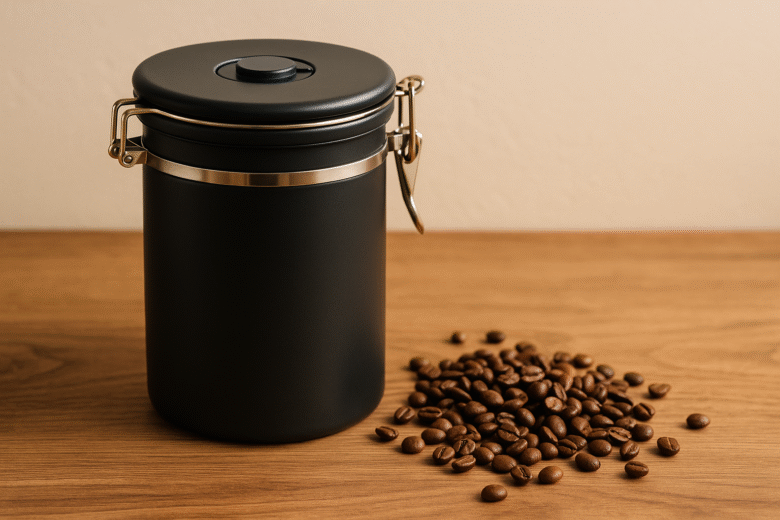
You’ve found your favorite beans, nailed your brewing method, and maybe even invested in a great grinder. But if your coffee still tastes dull after a few days, the problem might be hiding in your storage habits. Coffee, like any natural product, is fragile. Once roasted, it begins to degrade—losing its aroma, flavor, and balance …

Iced coffee is the perfect refreshment for hot days, but many people don’t know how easy it is to make at home. No need for fancy machines or syrups—just good coffee and a few smart techniques. Whether you prefer strong and bold or smooth and sweet, you can craft your ideal iced coffee with just …
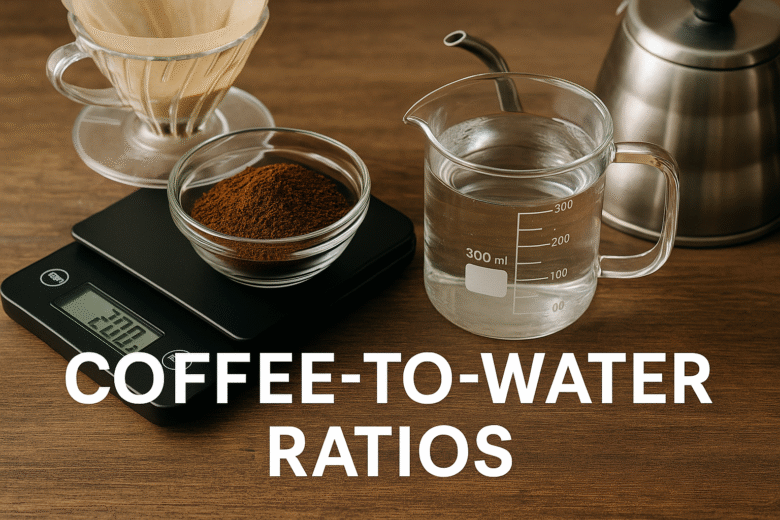
One of the most important elements in brewing great coffee is the coffee-to-water ratio. This simple measurement determines the strength, flavor balance, and overall quality of your cup. Using too much coffee can result in a bitter, overpowering brew. Too little, and your coffee tastes weak and watery. Mastering ratios ensures you can consistently recreate …

If your coffee tastes too bitter, too sour, or just not quite right, the problem might not be your beans or water—it could be the grind size. Understanding how grind size affects extraction is one of the most powerful tools for improving your coffee at home. Each brewing method requires a specific grind to match …
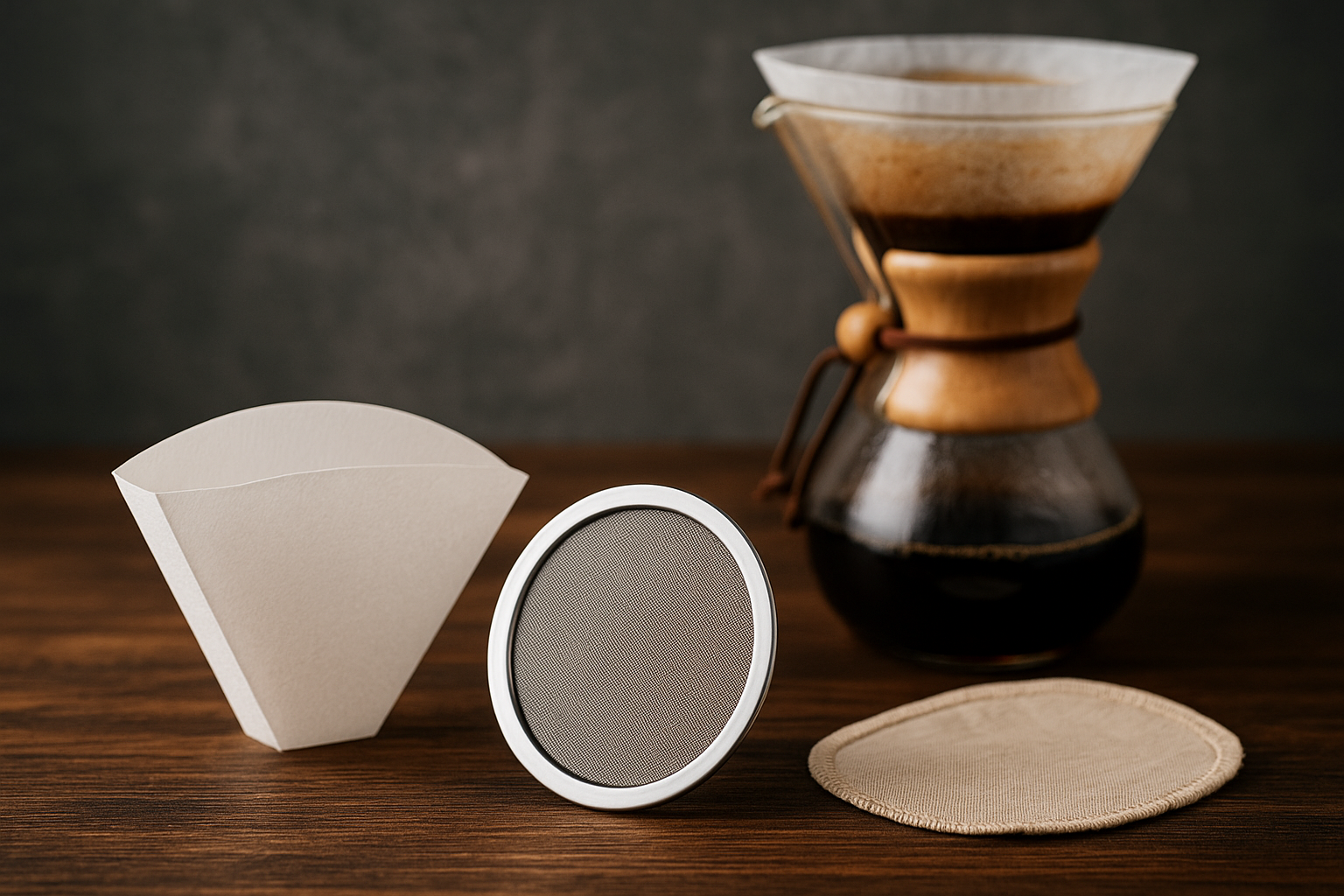
Most people don’t think twice about the coffee filter they use. It’s just a piece of paper—or metal or cloth—that holds the grounds, right? But in reality, the type of filter you choose plays a crucial role in shaping your coffee’s flavor, body, texture, and even its aroma. Whether you prefer a clean, crisp cup …

Most people focus on beans, grind size, and equipment—but there’s one variable that might be quietly ruining your brew: temperature. It’s easy to overlook, but water that’s too hot or too cold can completely change how your coffee tastes. The perfect cup isn’t just about good coffee—it’s about extracting the right flavors, at the right …
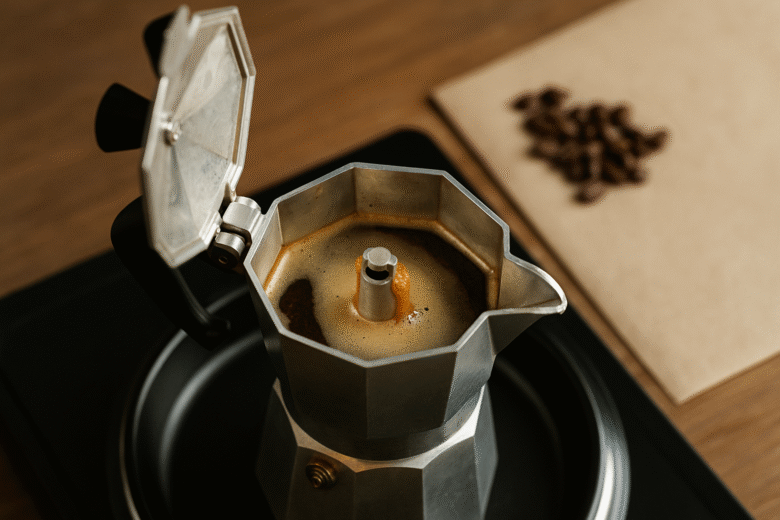
The Moka Pot, also known as a stovetop espresso maker, is a beloved tool in many kitchens around the world. It brews strong, rich coffee that closely resembles espresso without needing a pricey machine. Invented in Italy in the 1930s, the Moka Pot has become iconic for its unique shape and intense coffee. If you …